and what to anticipate following the event!
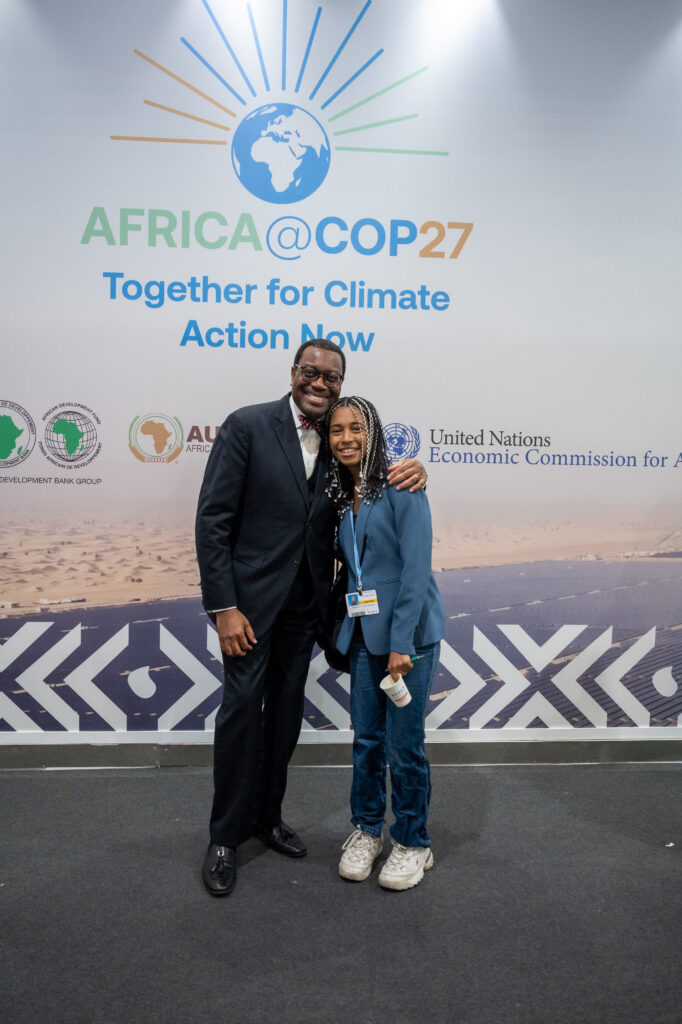
COP27, the United Nations climate summit, is a Climate Change conference held by the Conference of the Parties of the UNFCCC. This conference is the first of its kind because it is hosted by the city of Sharm- El-Sheik, making it the first African country to host a United Nations conference.
At COP27, held during the days of Sunday, November 6th, 2022 to Monday, November 28, 2022, is the gathering of government officials, representatives of states, representatives of organizations, the press, and members of the public. This gathering shapes a dialogue of climate forward thinking with the goals of ensuring that climate policies, including those on adaptation, mitigation and financing, and more are achieved.
According to the Presidential Leader’s statement, COP27 hopes to be about moving from negotiations, and “planning for implementation” for all these promises and pledges made. This conference is built open three major pillars: Mitigation, Adaptation, and Climate Finance.
The first pillar, Mitigation, refers to the efforts taken to reduce or prevent the emission of greenhouse gases. Mitigation can mean using new technologies and renewable energy sources, making older equipment more energy efficient, or changing management practices or consumer behavior. After this COP27, countries are expected to show how they are planning to implement the Glasgow pact call, and are required to review their climate plans and create a work program related to mitigation – presenting more ambitious 2030 emissions targets as the UN Climate Change has said that current plans are still not enough.
The second pillar, adaptation, focuses on the fact that climate change is here – now – and there is nothing we can do to stop it. Acknowledging the fact that cutting emissions will slow the pace of global warming, but not erase the effects that have already been caused. This pillar is set in place to ensure that countries are able to adapt to climate consequences whilst protecting their citizens. Instead, it pushes for solutions that allow humans to co-exist with our current reality. Seeing that
The plan was put in place to equip communities and countries with the knowledge and tools to ensure that adaptation actions they take, are indeed moving the world towards a more climate-resilient future.
The COP27 Presidency expects nations to capture and assess their progress toward enhancing resilience and helping the most vulnerable communities. This means countries making more detailed and ambitious commitments in the adaptation components of their national climate plans.
Last year, developed countries agreed to at least double finance for adaptation, and many stakeholders are calling for even greater levels of adaptation funding to match the amounts that are now being spent on mitigation, as established in the Paris Agreement. This will definitely be a big conversation topic at Sharm el-Sheikh.
UNFCCC is clear that to respond to the present and future climate risks it is necessary to significantly increase the scale of adaptation finance, from all sources – public and private sources. All players must come on board – governments, financial institutions, and the private sector.