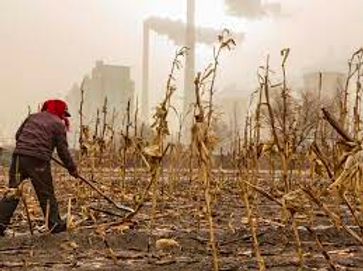
Climate change is one of the most pressing issues of our time, and it affects everyone on the planet. However, the impacts of climate change are not distributed equally. People who are already disadvantaged and marginalized in society are often hit the hardest by the effects of climate change, exacerbating existing inequalities.
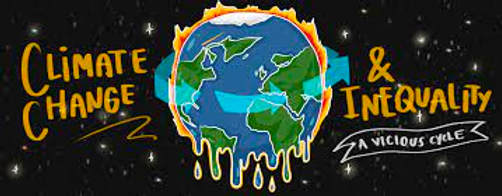
There is a strong relationship between inequality and climate change. Inequality can lead to increased vulnerability to climate change impacts, while climate change can further exacerbate existing inequalities. For example, people living in poverty are more likely to live in areas with inadequate infrastructure, making them more vulnerable to extreme weather events like floods, hurricanes, and heatwaves. In contrast, wealthier individuals have access to resources that allow them to adapt to the effects of climate change, such as air conditioning, insurance, and evacuation plans.
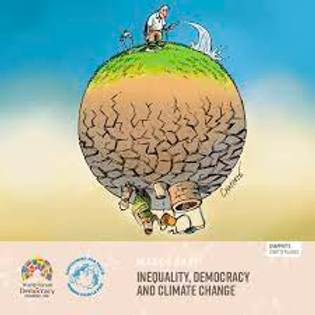
Furthermore, climate change disproportionately affects people of color and indigenous communities. These groups often live in areas that are more vulnerable to climate change impacts, such as coastal regions or areas with higher exposure to air pollution. Additionally, these communities often have less access to resources to adapt to the effects of climate change, such as financial resources or political power.
Inequality can also lead to increased emissions of greenhouse gases, which contribute to climate change. For example, wealthy individuals and countries have a higher carbon footprint than poorer individuals and countries. This is because they consume more energy, have larger homes, and travel more frequently by plane. On the other hand, people living in poverty may not have access to reliable energy sources like electricity, and may be forced to rely on biomass fuels like wood, which contribute to deforestation and emit carbon dioxide.
Addressing inequality is therefore crucial for addressing climate change. By reducing inequality and ensuring that everyone has access to resources and opportunities, we can reduce vulnerability to climate change impacts and ensure that everyone can benefit from efforts to mitigate climate change. Additionally, addressing inequality can lead to reduced emissions of greenhouse gases, as wealthier individuals and countries are more likely to invest in renewable energy and adopt more sustainable practices.
In conclusion, the relationship between inequality and climate change is complex and multifaceted. Addressing inequality is crucial for addressing climate change and ensuring that the impacts of climate change are distributed fairly. By working towards a more equitable society, we can create a more sustainable and resilient world for everyone.