

Firstly, what is Globalization? Globalization, is the process of increasing interconnectedness and interdependence of economies, has had a significant impact on climate change. As countries have become more integrated through trade and investment, the movement of goods, services, and people has increased, leading to greater consumption and increased emissions of greenhouse gases. In this article, we will explore the impact of globalization on climate change and some of the measures that can be taken to mitigate these effects.
One of the primary ways in which globalization has contributed to climate change is through increased trade. As countries have become more interconnected, the movement of goods across borders has increased, leading to greater emissions of greenhouse gases. The transportation of goods, especially by air and sea, is a significant contributor to emissions, as these modes of transportation are often powered by fossil fuels. Additionally, the production of goods often involves energy-intensive processes, such as manufacturing, that contribute to emissions.
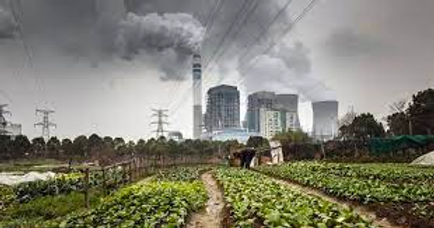
Another way in which globalization has contributed to climate change is through increased consumption. As people have become more connected through media and the internet, they have become more aware of the goods and services available in other parts of the world. This has led to increased demand for products that are not produced locally, leading to greater transportation emissions. Additionally, the production of goods often involves the extraction of natural resources, which can lead to deforestation and other land-use changes that contribute to emissions.

tries have become more integrated, they have been able to specialize in certain industries, leading to greater productivity and economic growth. However, this growth often comes at the expense of the environment, as industries such as manufacturing and agriculture often require significant energy inputs.
To mitigate the impact of globalization on climate change, several measures can be taken. One of the most important is to reduce the emissions associated with transportation. This can be done by increasing the use of renewable energy in transportation, such as electric vehicles, and by improving the efficiency of transportation systems. Additionally, efforts can be made to reduce the distance that goods are transported, such as through regional trade agreements.
Another measure that can be taken is to promote sustainable consumption. This can be done by increasing awareness of the environmental impact of products and by promoting the consumption of locally produced goods. Additionally, efforts can be made to reduce waste and promote recycling.
Finally, efforts can be made to promote sustainable economic growth. This can be done by investing in renewable energy and by promoting the development of industries that are less energy-intensive. Additionally, policies can be implemented to promote energy efficiency and reduce the carbon intensity of economic growth.
In conclusion, globalization has had a significant impact on climate change, contributing to increased emissions of greenhouse gases. However, measures can be taken to mitigate these effects, such as reducing emissions associated with transportation, promoting sustainable consumption, and promoting sustainable economic growth. By taking these measures, we can reduce the impact of globalization on climate change and create a more sustainable future.