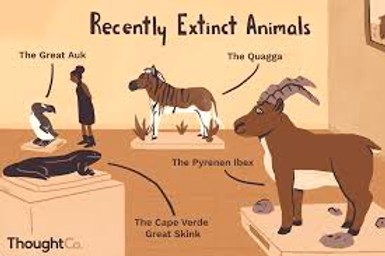
The extinction of species is one of the most significant threats facing our planet today. Species extinction occurs when a species can no longer reproduce, or their populations decline to the point where they can no longer maintain their ecological roles. The loss of a species can have significant consequences for the planet’s biodiversity, ecosystems, and human societies.
One of the primary drivers of species extinction is human activity, including habitat destruction, pollution, overfishing, and hunting. Human activities have caused significant declines in many animal populations, including elephants, rhinos, tigers, and whales. Habitat destruction is a particular concern, as it is estimated that 80% of species on land and sea are affected by habitat loss.
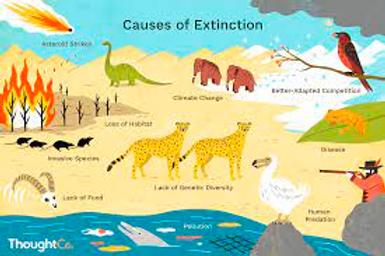
The loss of a species can have significant consequences for ecosystems and other species. Many species play critical roles in maintaining ecosystem functions, such as pollination, seed dispersal, and nutrient cycling. The loss of a single species can cause a chain reaction, affecting other species in the ecosystem and disrupting the ecosystem’s balance.
The loss of biodiversity also has significant consequences for human societies. Many species provide important resources, such as food, medicine, and raw materials for industry. Biodiversity loss can lead to a decline in these resources, which can affect human health, economic development, and cultural practices.
Protecting species and preserving biodiversity is essential for the planet’s health and sustainability. Governments can implement policies to protect habitats and prevent habitat destruction. This can include the establishment of protected areas, such as national parks, and regulations on land use and resource extraction.
In addition, governments can enforce regulations on hunting, poaching, and the illegal wildlife trade. Public education and awareness campaigns can also help to reduce demand for wildlife products and promote conservation.
Individuals can also take steps to protect species and biodiversity. This can include reducing our carbon footprint by using renewable energy and reducing consumption, supporting sustainable agriculture, and purchasing products from companies that prioritize environmental sustainability.
In conclusion, the extinction of species is a significant threat to our planet’s health and sustainability. Protecting species and biodiversity is essential for maintaining healthy ecosystems and preserving resources critical for human societies. By taking action to protect species and promote conservation, we can work towards a more sustainable and resilient future for our planet.