
The effects of climate change disrupts all our ways of life; from rising food prices and unsafe environments, to insecurity and rising health cases. However, one of the worst effects are the sudden extinctions of plants and animal species. This is the case because plants have supported human kind since the earliest times.
Plants provide a reliable form of healthcare, are the roots of cultural practices, supply food for large populations of animals and humans, as well as, cleans up our air and imporves our health. And plants are going extinct. And we are taking advantage of them.
This is an extensive list of the top ten plants that are about to go extinct and what their absence could mean for the world.
Read about the others on Fight Global Warming Ng’s blog
Design with Ease
1. Baobab tree
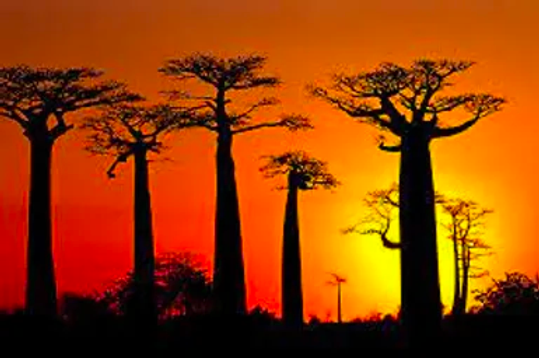
Baobab Tree: This tree is an unusual life giving tree. While it may only sprout leafs for 3 months of the year, it stores water in its broad and twisted trunk. The peoples of Madagascar, Africa and India would often build their homes among its roots to survive the dry seasons. Climate change, and over development have destroyed its natural habitat.
New research published this week reveals that nine of the 13 oldest baobab trees in the world — some dating back to 2,000 years or more — are dying or have recently died due to climate change. More specifically, because of the drastic changes in African rainfall patterns, and the Baobab’s need for enormous amounts of water, they are left dry during the most critical times of their annual cycle.
“If they don’t have enough rain when they flush their leaves or produce their flowers, they die.” – Adrian Patrut
This isn’t the only climate-related threat to baobabs. Research published in 2013 revealed that global warming will soon make many current baobab habitats unsuitable for many of the big trees. Not only that, the research also showed that rapid human development has already restricted where baobab trees can grow, leaving them with nowhere to go once their last-remaining habitats can no longer support them.
If you want to learn more. Follow this link.
Paradox Sunflower: The paradox sunflower, also known as the puzzle sunflower, are plants that grow in permanently saturated soils most often associated with sprint systems in desert wetland cienagas in New Mexico and Texas